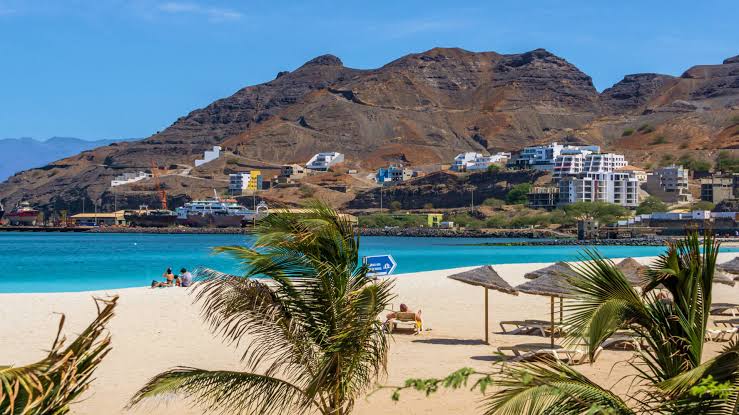
If you are looking for a destination that perfectly blends dramatic volcanic landscapes, endless golden beaches, and a vibrant, soulful culture, Cape Verde (Cabo Verde) should be at the very top of your bucket list.
Located around 500 kilometers off the coast of West Africa, this ten-island archipelago is famous for its “No Stress” lifestyle. But because each island has a completely unique personality, planning a trip here can feel overwhelming.
This comprehensive guide breaks down the absolute best Cape Verde tourist places and provides a high-converting 7-day itinerary to help you experience the best of the islands.
Cape Verde Tourist Places You Cannot Miss
Sal Island: The Sun and Surf Capital
If your dream vacation involves turquoise water, white sand beaches, and world-class watersports, Sal is where you need to start. The main town, Santa Maria, is bursting with colorful buildings, lively beach bars, and excellent surf spots. Don’t miss the Pedra de Lume salt craters, where you can float effortlessly in a salt lake inside an extinct volcano.
Santo Antão: A Hiker’s Paradise
Santo Antão is the exact opposite of Sal. It is a jaw-dropping island covered in towering green peaks, deep canyons, and dramatic cliffside villages. The Paul Valley (Valle de Paul) is arguably the most beautiful green valley in all of West Africa, dotted with banana trees, coffee plantations, and thatched-roof houses.
Fogo: The Dramatic Volcanic Island
Fogo literally translates to “Fire,” and it lives up to its name. The island is dominated by Pico do Fogo, an active volcano that rises over 2,800 meters above sea level. You can hike up to the crater and even visit a unique village built entirely inside the caldera, where locals grow grapes in the volcanic soil to produce famous local wine.
Ultimate 7-Day Cape Verde Itinerary
Because Cape Verde is an island nation, the best strategy for a 1-week trip is to pick two contrasting islands to truly appreciate the diversity of the country. This itinerary pairs the ultimate beach relaxation of Sal with the vibrant cultural capital of São Vicente.
Day 1: Arrival in Sal & Santa Maria Beach
Land at Amílcar Cabral International Airport on Sal Island. Check into your resort in Santa Maria and head straight to the beach. Spend the evening walking the iconic Santa Maria Pier to watch local fishermen haul in the catch of the day, followed by a dinner of traditional Cachupa (Cape Verde’s slow-cooked corn and bean stew).
Day 2: Salt Craters & The Blue Eye
Take an island tour. Head to Pedra de Lume to float in the therapeutic salt lakes. Next, drive to Buracona to witness the “Blue Eye”—a natural pool where the sunlight hits the water at the perfect angle to create a magical, glowing blue effect. Finish the day watching baby lemon sharks swim around your ankles at Shark Bay.
Day 3: Kitesurfing & Water Sports
Sal is one of the top locations in the world for wind and kitesurfing. Head to Kite Beach to take a beginner’s lesson or watch the pros catch massive air. If you prefer a calmer vibe, take a guided snorkeling boat tour to see the colorful marine life and shipwrecks just off the coast.
Day 4: Fly to São Vicente (Mindelo)
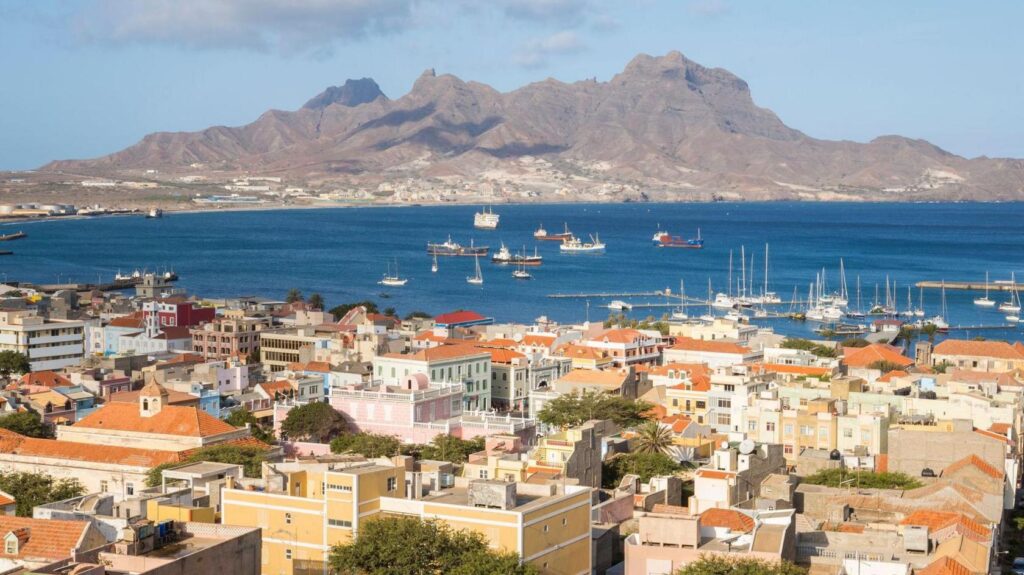
Take a short domestic flight from Sal to the island of São Vicente. Check into a boutique hotel in Mindelo, the cultural capital of Cape Verde. Spend your afternoon wandering the colonial-style streets, visiting the pastel-colored Presidential Palace, and relaxing on Laginha Beach.
Day 5: The Rhythm of Mindelo
Mindelo is the birthplace of legendary singer Cesária Évora. Spend the morning exploring the bustling municipal fish market and African market. In the evening, head out to the local taverns where live Morna and Coladeira music fills the air—this is the true heartbeat of Cape Verdean culture
Day 6: Day Trip to Santo Antão
Take the early morning 1-hour ferry from Mindelo to the neighboring island of Santo Antão. Rent a local Aluguer (shared taxi) or hire a guide to drive you up the old cobblestone road across the mountain ridge. Hike down into the lush Paul Valley for views that will leave you absolutely speechless before catching the evening ferry back to Mindelo.
Day 7: Last-Minute Souvenirs & Departure
Grab a cup of rich, locally grown Fogo coffee at a cafe in Mindelo. Pick up some local grogue (rum) or a handmade guitar souvenir before heading to the airport for your flight back home.
Cape Verde Travel Tips
- Best Time to Visit – November to June offers the best weather (sunny, warm, and windy for water sports).
- Currency – Cape Verdean Escudo (CVE), though Euros are widely accepted across tourist areas in Sal and Boa Vista.
- Getting Around – Internal flights are operated by local carriers. For short hops between sister islands (like São Vicente to Santo Antão), the ferry is cheap and reliable.
- Language – Portuguese is the official language, but the local language spoken by everyone daily is Cape Verdean Creole (Kriolu). English is widely understood in resorts.
2026 World Cup Effect: Cape Verde is Trending
If you’ve noticed Cape Verde appearing all over your social media feeds lately, you aren’t alone. The nation’s historic, unbeaten group-stage run at the 2026 FIFA World Cup—becoming the smallest country by population to ever reach the knockout stages—has put this beautiful archipelago firmly on the global map. International travel searches have surged by over 170% this year.
Hidden Gems in Cape Verde
If you want to skip the main resort crowds on Sal and Boa Vista, add these high-intent keyword locations to your travel bucket list:
The Viana Desert (Boa Vista): A surreal, whispering sea of white sand dunes swept across the Atlantic directly from the Sahara Desert.
Fontainhas Village (Santo Antão): Rated as having one of the most beautiful cliffside views in the world, this colorful village clings precariously to a steep mountain ridge.
Carbeirinho (São Nicolau): A stunning natural wonder featuring wind-sculpted, limestone rock formations that look like a literal lunar landscape.
Brava (The Island of Flowers): The smallest and greenest inhabited island. Totally isolated, incredibly quiet, and covered in wild hibiscus and pastel-colored cottage villages.
Frequently Asked Questions
Is Cape Verde safe for tourists?
Yes, Cape Verde is considered one of the safest travel destinations in Africa. Violent crime against tourists is extremely rare. Like any global beach destination, petty pickpocketing can happen in crowded markets or busy beaches in Mindelo or Praia, so use basic travel common sense.
Do I need a visa to visit Cape Verde?
Visitors from the EU, UK, USA, Canada, and many other nations do not need a traditional visa for stays under 30 days. However, you must register online via the EASE platform at least 5 days before arrival and pay a small Airport Security Tax (TSA) of approximately 3,400 CVE (~$33 USD).
What food should I try in Cape Verde?
You cannot leave without trying Cachupa, the national dish made of slow-cooked corn, beans, cassava, and fresh fish or meat. Because it is an island nation, the seafood is exceptional—be sure to order fresh grilled tuna, octopus, and Lagosta (local lobster) straight from the piers.
Can you swim in the ocean in Cape Verde?
Yes, but look out for beach flags! While beaches like Santa Maria Beach on Sal have beautifully calm, turquoise waters perfect for swimming, the open Atlantic currents and steady winds can create massive waves on other parts of the islands—making them great for kitesurfing but dangerous for casual swimming.